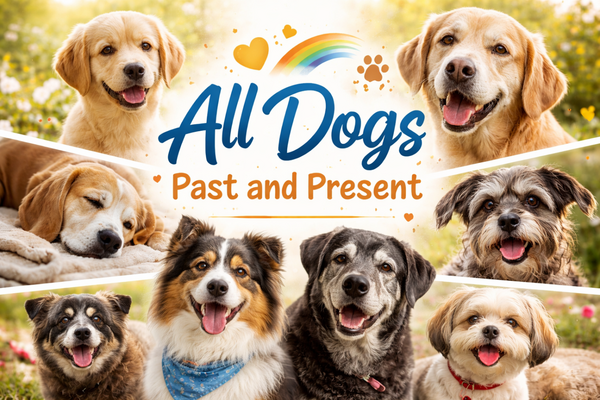
Dogs have one of the most fascinating origin stories of any animal on Earth. Today, they are loyal companions, family members, and even emotional support partners—but their journey began thousands of years ago alongside wild wolves.
From Wolves to Dogs
Modern dogs share a common ancestry with wolves, and over time, their relationship with humans transformed both species. Early humans and wolves likely formed a mutually beneficial relationship—wolves helped with hunting and protection, while humans provided food and shelter. This partnership slowly led to domestication, shaping the earliest dogs into more cooperative and social animals.
The Power of Selective Breeding
As time went on, humans began intentionally breeding dogs for specific traits. During the 19th century, especially in the Victorian era, breeding became more focused and structured. People selected dogs for particular physical features and abilities, creating the early foundations of modern breeds.
This process continued into the 20th century, eventually leading to the hundreds of dog breeds we see today. From small lap dogs to large working breeds, each was shaped by human needs and preferences.
The Downside of Breeding
While selective breeding created incredible diversity, it also came with challenges. Reducing genetic diversity in certain breeds led to health issues and breed-specific diseases. Some physical traits that were considered desirable—like shorter legs or flatter faces—can actually cause long-term health problems.
This has led scientists and veterinarians to focus more on improving dog health through responsible breeding and genetic research.
Enter the Age of Science
Today, science is helping us better understand dogs than ever before. Advances in genetic testing now allow researchers to study a dog’s DNA to identify potential health risks and improve care.
Dogs also develop many of the same diseases as humans, including cancer, heart disease, and obesity. Because of this, researchers study dogs not only to help them live longer, healthier lives but also to gain insights that may benefit human health as well.
Large-scale studies, like long-term health research projects, are collecting data on thousands of dogs to better understand how lifestyle and genetics impact their well-being.
Dogs Then and Now
The role of dogs has changed dramatically over time. In the past, they were primarily working animals—helping with hunting, guarding, and herding. Today, while many dogs still perform these roles, most are cherished as companions and family members.
What hasn’t changed is the deep bond between humans and dogs. From ancient times to today, dogs have remained loyal, intuitive, and deeply connected to us.
Final Thought
The evolution of dogs is more than just a scientific story—it’s a story of partnership, adaptation, and love. From wild wolves to the dogs curled up beside us today, their journey reflects thousands of years of shared life with humans.
And no matter how much dogs have changed over time, one thing remains constant: their ability to bring joy, comfort, and connection into our lives. 🐶❤️